Contents
Introduction to Delta-8 THC
Delta-8 THC has garnered increasing attention in recent years as an alternative cannabinoid with reported milder psychoactive effects compared to its more well-known counterpart, Delta-9 THC. This compound, found naturally in cannabis, has surged in popularity among consumers seeking novel ways to experience the therapeutic benefits of cannabinoids.
Despite its rising popularity, the legal status of Delta-8 THC remains a subject of debate and regulatory scrutiny. Unlike Delta-9 THC, which is classified as a controlled substance in many jurisdictions, Delta-8 THC occupies a somewhat ambiguous legal space. It is typically derived from hemp, which was federally legalized with the passage of the 2018 Farm Bill. However, questions persist regarding its classification and regulation, particularly at the state level.
Understanding the legal distinction between Delta-8 THC and Delta-9 THC is crucial for both consumers and industry stakeholders. While both compounds share similar chemical structures, Delta-8 THC is often sourced from hemp, which contains less than 0.3% Delta-9 THC by dry weight. This difference in composition has implications for both legality and consumer access.
State-specific Legal Framework
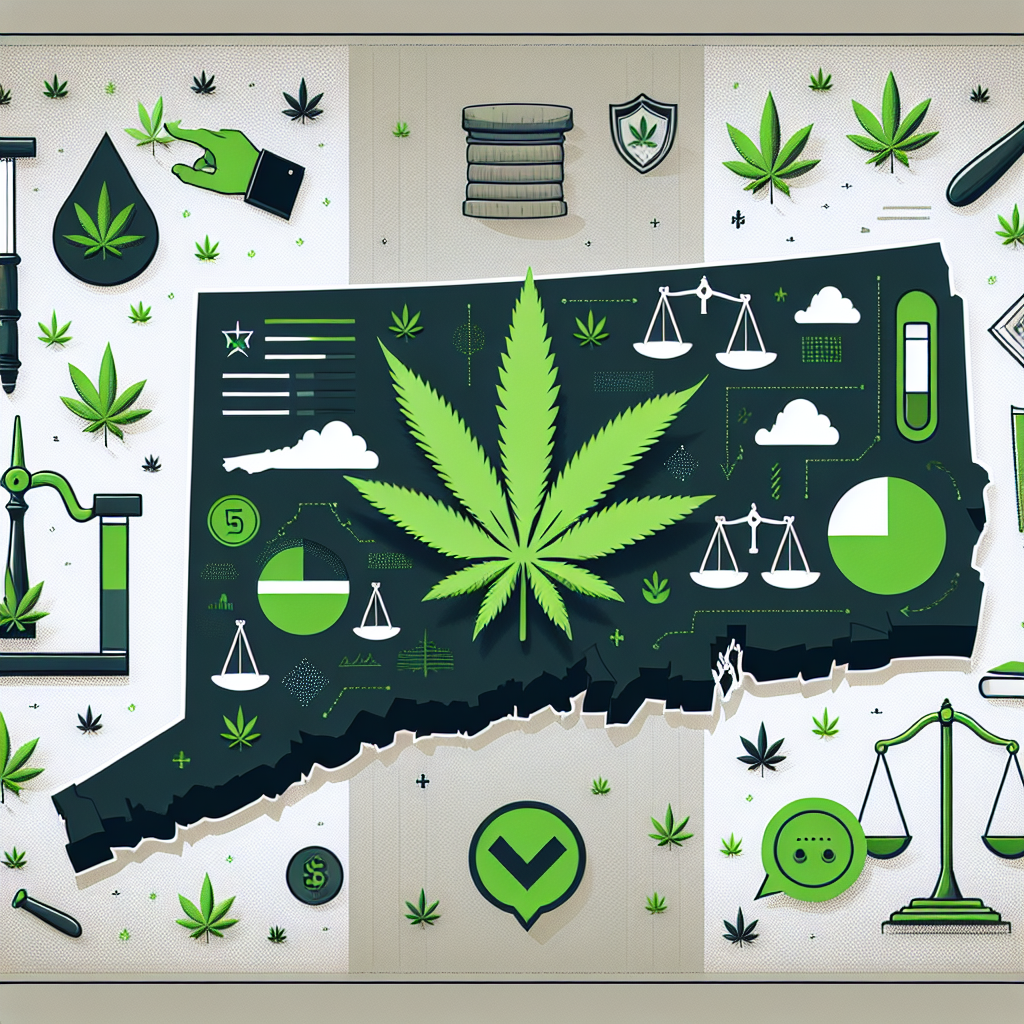
Examining the current laws and regulations regarding cannabis and cannabinoids in Connecticut provides insight into how Delta-8 THC fits within the existing legal framework. The state defines cannabis broadly, encompassing all parts of the Cannabis sativa L. plant, including cannabinoids and derivatives.
Connecticut has undergone significant changes in its cannabis laws, with the recent legalization of adult-use recreational cannabis. This legislative shift prompts a reevaluation of how cannabinoids like Delta-8 THC are regulated within the state.
As with many states, Connecticut faces the challenge of reconciling federal and state cannabis laws. While hemp-derived Delta-8 THC may align with federal guidelines, state regulations may impose additional restrictions or requirements. This complexity underscores the importance of understanding the nuances of Delta-8 THC regulation in Connecticut.
Recent Legislative Developments
In Connecticut, recent legislative actions and regulatory changes related to Delta-8 THC reflect the state’s ongoing efforts to refine its cannabis laws. With the legalization of adult-use recreational cannabis, policymakers have been tasked with addressing emerging issues, including the regulation of novel cannabinoids like Delta-8 THC.
Recent legislative developments include proposals aimed at clarifying the legal status of Delta-8 THC and other cannabinoids. These measures seek to establish clear guidelines for the production, sale, and consumption of Delta-8 THC products, addressing concerns regarding potency, labeling, and consumer safety.
Furthermore, regulatory agencies in Connecticut are grappling with enforcement and oversight challenges related to Delta-8 THC. Efforts to establish comprehensive testing protocols and quality standards for Delta-8 THC products are underway, signaling a proactive approach to safeguarding public health and consumer interests.
However, the evolving nature of cannabis legislation poses challenges for stakeholders navigating the regulatory landscape. Uncertainty persists regarding the interpretation and enforcement of Delta-8 THC laws, underscoring the need for continued dialogue and collaboration between policymakers, industry players, and advocacy groups.
Enforcement and Compliance
Enforcement agencies in Connecticut are actively interpreting and enforcing Delta-8 THC laws in alignment with the state’s broader cannabis regulations. As policymakers strive to clarify the legal status of Delta-8 THC, enforcement efforts aim to uphold public safety and ensure compliance with established laws and guidelines.
One key aspect of enforcement revolves around distinguishing between hemp-derived Delta-8 THC and Delta-9 THC sourced from marijuana. While federal law permits the production and sale of hemp-derived cannabinoids containing less than 0.3% Delta-9 THC, compliance with state regulations may require additional testing and documentation to verify potency levels and product integrity.
Non-compliance with Delta-8 THC regulations may result in various penalties, ranging from fines and license revocation for businesses to criminal charges for individuals involved in illicit activities. Enforcement agencies may conduct inspections, testing, and surveillance to monitor the production, distribution, and sale of Delta-8 THC products, prioritizing efforts to mitigate potential risks to public health and safety.
Consumers and industry stakeholders alike must stay informed about Delta-8 THC laws and regulations to ensure compliance and minimize legal exposure. Adhering to established guidelines for product labeling, testing, and distribution can help mitigate enforcement risks and foster a responsible cannabis industry ecosystem in Connecticut.
Consumer Access and Availability
The availability of Delta-8 THC products in Connecticut is influenced by the state’s regulatory framework and market dynamics. While the legalization of adult-use recreational cannabis has expanded consumer access to a wider range of cannabis products, including Delta-8 THC, the regulatory landscape remains complex.
Consumers can legally purchase Delta-8 THC products from licensed dispensaries and retailers authorized to sell cannabis in Connecticut. However, it is essential for consumers to verify the legitimacy of vendors and products to ensure compliance with state regulations and quality standards.
Restrictions on the sale and distribution of Delta-8 THC products may vary depending on local ordinances and licensing requirements. Consumers should familiarize themselves with relevant laws and guidelines to make informed purchasing decisions and avoid potential legal pitfalls.
Industry stakeholders play a crucial role in ensuring the responsible production, distribution, and sale of Delta-8 THC products. Adherence to best practices and regulatory standards can help foster consumer trust and confidence in the safety and efficacy of Delta-8 THC offerings.
Industry Perspectives
Insights from industry stakeholders, including Delta-8 THC producers, retailers, and advocacy groups, provide valuable perspectives on the legal landscape of cannabis in Connecticut. As key players in the market, they contribute to shaping policies and practices that impact the production, distribution, and consumption of Delta-8 THC products.
Producers of Delta-8 THC navigate a complex regulatory environment characterized by evolving laws and consumer preferences. They must adhere to stringent quality standards and compliance requirements to ensure the safety and integrity of their products while meeting consumer demand.
Retailers serve as the primary point of contact between consumers and Delta-8 THC products, responsible for educating customers and promoting responsible use. They play a pivotal role in ensuring compliance with state regulations and fostering transparency in product labeling and marketing practices.
Advocacy groups advocate for the interests of consumers, industry stakeholders, and communities affected by cannabis policies. They engage in legislative advocacy, public education, and community outreach to promote equitable access to Delta-8 THC products and advocate for sensible regulatory frameworks.
Overall, industry perspectives provide valuable insights into the challenges and opportunities presented by Delta-8 THC regulation in Connecticut. Collaboration and cooperation among stakeholders are essential to address regulatory complexities and promote a thriving and responsible cannabis industry ecosystem.
Public Perception and Awareness
Public perception of Delta-8 THC in Connecticut reflects a diverse range of attitudes and opinions influenced by cultural, social, and political factors. While some view Delta-8 THC as a promising option for cannabis consumption, others express concerns about its safety, potency, and legal status.
Media coverage and public discourse surrounding Delta-8 THC play a significant role in shaping public opinion and awareness. News outlets, social media platforms, and online forums contribute to ongoing conversations about the legality and use of Delta-8 THC, influencing consumer behavior and regulatory decisions.
Public education and awareness efforts are crucial to dispel misconceptions and promote informed decision-making regarding Delta-8 THC. Outreach initiatives, educational campaigns, and community forums can help foster dialogue and understanding among consumers, policymakers, and stakeholders.
As public perception evolves and awareness grows, policymakers may face increasing pressure to address regulatory gaps and concerns related to Delta-8 THC. Balancing public health and safety with consumer demand and industry innovation remains a key challenge in navigating the complex landscape of cannabis regulation in Connecticut.
Potential Future Changes
Speculating on potential future changes to Delta-8 THC laws and regulations in Connecticut involves considering various factors that could influence legislative or regulatory decisions. As the cannabis industry continues to evolve and public perception shifts, policymakers may revisit existing laws to address emerging issues and concerns.
One factor that could drive future changes is ongoing research into the pharmacology and effects of Delta-8 THC. Scientific studies and clinical trials may provide new insights into the therapeutic potential and safety profile of Delta-8 THC, informing regulatory decisions and public health policies.
Furthermore, market trends and consumer preferences may shape the direction of Delta-8 THC regulation in Connecticut. Changes in demand, product innovation, and industry practices could prompt policymakers to revise existing laws to accommodate evolving market dynamics and consumer needs.
Political developments at the state and federal levels may also influence the trajectory of Delta-8 THC regulation. Shifts in legislative priorities, changes in administration, and federal policy reforms could impact the legal landscape for cannabis and cannabinoids, including Delta-8 THC.
Overall, the future of Delta-8 THC regulation in Connecticut is subject to a range of variables and uncertainties. Stakeholder engagement, scientific research, market trends, and political dynamics will all play crucial roles in shaping the direction of cannabis policy in the state.
Legal Considerations for Consumers
For consumers navigating the legal landscape of Delta-8 THC in Connecticut, understanding key considerations and compliance requirements is essential to avoid potential legal pitfalls. Here are some tips to help consumers ensure compliance with state laws when purchasing and using Delta-8 THC products:
1. Stay informed about state laws: Keep abreast of the latest laws and regulations governing Delta-8 THC in Connecticut. Understand the legal distinctions between hemp-derived Delta-8 THC and Delta-9 THC sourced from marijuana.
2. Purchase from licensed vendors: Only buy Delta-8 THC products from licensed dispensaries and retailers authorized to sell cannabis in Connecticut. Verify the legitimacy of vendors and products to ensure compliance with state regulations and quality standards.
3. Check product labeling and testing: Look for Delta-8 THC products that have undergone third-party testing for potency and purity. Check product labels for accurate information on ingredients, potency levels, and recommended usage guidelines.
4. Adhere to consumption guidelines: Follow recommended dosage guidelines and avoid consuming Delta-8 THC products in public places where cannabis consumption is prohibited. Respect local ordinances and regulations regarding public consumption.
5. Store products safely and responsibly: Keep Delta-8 THC products out of reach of children and pets, and store them in a secure and discreet location. Follow product storage recommendations to maintain potency and freshness.
By staying informed and adhering to legal guidelines, consumers can enjoy Delta-8 THC products responsibly while minimizing legal risks and ensuring compliance with state laws in Connecticut.
Conclusion
In conclusion, the legal landscape surrounding Delta-8 THC in Connecticut is dynamic and evolving, shaped by a combination of legislative actions, regulatory changes, and public perception. While Delta-8 THC offers potential benefits as a cannabis-derived compound, its legality and regulatory status remain subject to interpretation and clarification.
Recent legislative developments and enforcement efforts reflect the state’s commitment to addressing emerging issues related to Delta-8 THC and other cannabinoids. However, challenges persist in reconciling federal and state cannabis laws, navigating market dynamics, and ensuring consumer safety and compliance.
Looking ahead, potential future changes to Delta-8 THC laws and regulations in Connecticut may be influenced by factors such as scientific research, market trends, and political dynamics. Stakeholder engagement and collaboration will be essential in shaping a balanced regulatory framework that promotes consumer access and safety while addressing public health concerns.
Overall, while the legal landscape for Delta-8 THC in Connecticut may continue to evolve, consumers and industry stakeholders alike must remain vigilant and informed to navigate the complex regulatory environment responsibly.

Amélie Dupont
French cannabis aficionado with a knack for weaving stories about CBD, THC, and the evolving delta 8 market.