Contents
Introduction to Delta-8 THC
Delta-8 tetrahydrocannabinol (Delta-8 THC) has emerged as a notable cannabinoid garnering increasing attention in the realm of cannabis products. As a derivative of Delta-9 THC, Delta-8 THC offers users a distinctive psychoactive experience, touted for its purported milder effects and reduced potential for anxiety or impairment.
The surge in popularity of Delta-8 THC can be attributed to its perceived benefits and versatility. Users often report experiencing a clearer-headed high compared to Delta-9 THC, making it appealing for those seeking the euphoric effects of cannabis without the intensity commonly associated with its psychoactive properties. Additionally, Delta-8 THC has drawn interest for its potential therapeutic applications, including its purported anti-nausea, anti-anxiety, and appetite-stimulating properties.
However, the legal status of Delta-8 THC remains subject to scrutiny and interpretation. While Delta-9 THC is typically classified as a controlled substance under federal law, Delta-8 THC exists in a legal gray area due to its structural differences. This has led to questions regarding its classification and regulation, particularly within the context of state laws governing cannabis products.
It is imperative to understand the legal nuances surrounding Delta-8 THC, including its distinction from Delta-9 THC, to navigate its use responsibly. In this comprehensive overview, we will delve into the legal framework surrounding Delta-8 THC in Montana, examining current laws and regulations, recent legislative developments, enforcement and compliance measures, consumer access and availability, industry perspectives, public perception and awareness, potential future changes, and legal considerations for consumers.
State-specific Legal Framework
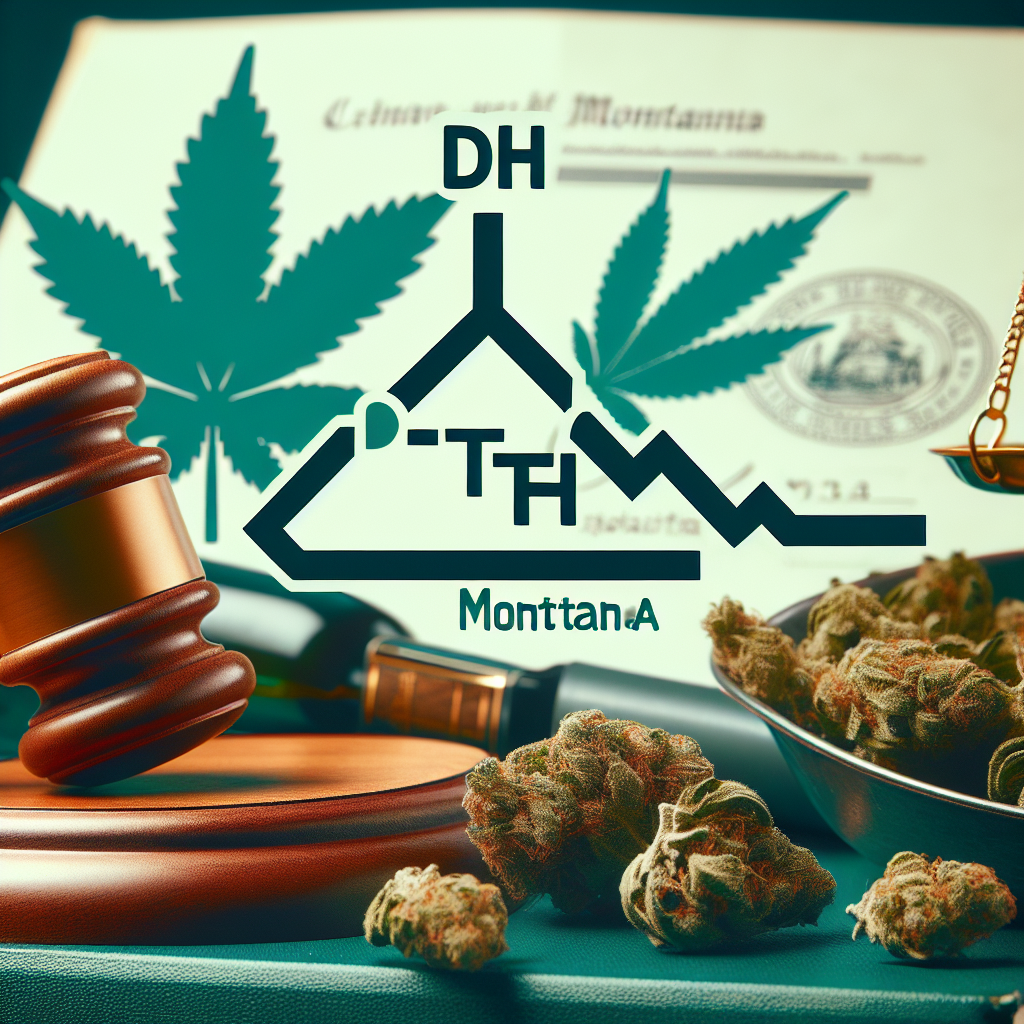
Understanding the legal landscape surrounding cannabis and cannabinoids in Montana is crucial for assessing the status of Delta-8 THC within the state. Montana has undergone significant changes in cannabis regulation, particularly with the legalization of medical cannabis in 2004 and the subsequent legalization of recreational cannabis in 2020.
Under Montana law, cannabis products are regulated and overseen by the Montana Department of Revenue. The state has established licensing requirements and regulations for the cultivation, processing, and sale of cannabis products, including provisions for both medical and recreational cannabis.
However, the legal status of specific cannabinoids such as Delta-8 THC is not explicitly addressed in Montana statutes or regulations. This lack of clarity raises questions about how Delta-8 THC fits within the existing framework governing cannabis products.
As such, understanding the nuances of Montana’s laws and definitions of cannabis products is essential for both consumers and industry stakeholders. Clarity from state regulatory agencies or legislative action may be necessary to provide guidance on the legality of Delta-8 THC products and ensure compliance with state regulations.
Recent Legislative Developments
As of [current date], there have been no specific legislative actions or regulatory changes directly targeting Delta-8 THC in Montana. However, the absence of explicit regulations pertaining to Delta-8 THC does not necessarily imply its legality or exemption from existing cannabis regulations.
It is essential to monitor legislative developments closely to stay informed about any changes that may impact the legal status of Delta-8 THC products in Montana. Advocacy efforts from industry stakeholders and consumer groups may also play a role in shaping future legislative decisions regarding Delta-8 THC regulation.
While the regulatory landscape surrounding Delta-8 THC in Montana remains uncertain, businesses and consumers must remain vigilant and proactive in maintaining compliance with existing laws and regulations governing cannabis products.
Enforcement and Compliance
Enforcement agencies in Montana are tasked with interpreting and enforcing laws and regulations pertaining to cannabis products, including Delta-8 THC. However, the lack of specific regulations addressing Delta-8 THC presents challenges for enforcement efforts.
Without clear guidance or regulations addressing Delta-8 THC, enforcement agencies may face difficulty determining whether Delta-8 THC products comply with existing state laws. This ambiguity can lead to inconsistencies in enforcement practices and create confusion for businesses and consumers.
Despite the absence of explicit regulations targeting Delta-8 THC, businesses operating within the cannabis industry must adhere to existing laws and regulations governing the sale and distribution of cannabis products. Non-compliance may result in penalties, fines, or other enforcement actions.
Consumers should also exercise caution and ensure that any Delta-8 THC products they purchase comply with state laws and regulations. It is advisable to purchase products from licensed dispensaries or reputable retailers that prioritize compliance and product quality.
As regulatory agencies continue to grapple with the complexities of Delta-8 THC regulation, businesses and consumers must remain vigilant and proactive in maintaining compliance with existing laws and regulations in Montana.
Consumer Access and Availability
The availability of Delta-8 THC products in Montana is influenced by the state’s regulatory framework and the evolving legal landscape surrounding cannabis and cannabinoids. While Delta-8 THC products may be available in some markets, their accessibility and legality can vary depending on local regulations and enforcement practices.
Consumers seeking Delta-8 THC products should be aware of state laws and regulations governing the sale and distribution of cannabis products. It is essential to purchase Delta-8 THC products from licensed dispensaries or retailers that comply with state regulations and prioritize product safety and quality.
However, due to the ambiguity surrounding the legal status of Delta-8 THC, consumers should exercise caution and conduct thorough research before purchasing these products. Additionally, consumers should be aware of any restrictions or limitations on the sale and possession of Delta-8 THC products imposed by local jurisdictions.
As the legal landscape surrounding Delta-8 THC continues to evolve, consumers should stay informed about any changes or updates to state laws and regulations. By remaining vigilant and informed, consumers can ensure safe and legal access to Delta-8 THC products in Montana.
Industry Perspectives
Insights from industry stakeholders, including Delta-8 THC producers, retailers, and advocacy groups, offer valuable perspectives on the legal landscape surrounding Delta-8 THC in Montana.
Delta-8 THC producers may navigate a complex regulatory environment, balancing compliance with existing laws and regulations while innovating to meet consumer demand. Retailers must also navigate legal uncertainties while ensuring that products meet quality and safety standards.
Advocacy groups play a crucial role in shaping legislative and regulatory discussions surrounding Delta-8 THC. By advocating for clear regulations and consumer education, these groups contribute to a more transparent and responsible cannabis industry.
Industry perspectives may vary, with some stakeholders advocating for clearer regulations to ensure consumer safety and market stability, while others may seek more flexibility to foster innovation and growth.
Overall, industry stakeholders in Montana are actively engaged in discussions surrounding Delta-8 THC regulation, working to address challenges and promote responsible practices within the cannabis industry.
Public Perception and Awareness
Public opinion regarding Delta-8 THC in Montana is influenced by various factors, including media coverage, cultural attitudes towards cannabis, and personal experiences with cannabinoid products.
Media coverage plays a significant role in shaping public perception and awareness of Delta-8 THC. Positive portrayals highlighting potential benefits or concerns regarding legality can impact public opinion and contribute to broader discussions surrounding cannabis regulation.
Cultural attitudes towards cannabis may also influence public perception of Delta-8 THC. In Montana, where recreational cannabis is legal, there may be greater acceptance and openness to exploring alternative cannabinoids like Delta-8 THC.
Personal experiences with cannabinoid products can shape individual perceptions of Delta-8 THC. Positive experiences may lead to increased acceptance and interest in exploring Delta-8 THC products, while negative experiences or concerns about legality may deter usage.
Overall, public perception and awareness of Delta-8 THC in Montana are dynamic and multifaceted, influenced by a combination of media representation, cultural attitudes, and personal experiences.
Potential Future Changes
Speculating on potential future changes to Delta-8 THC laws and regulations in Montana involves considering various factors that may influence legislative or regulatory decisions.
One factor that could impact future regulation of Delta-8 THC is evolving scientific research on its effects and potential benefits. As more research is conducted, policymakers may gain a better understanding of Delta-8 THC’s safety profile and therapeutic potential, which could influence regulatory decisions.
Public opinion and advocacy efforts may also play a significant role in shaping future changes to Delta-8 THC regulation. Increased awareness and engagement from advocacy groups and consumers could lead to calls for clearer regulations or changes to existing laws.
Furthermore, developments at the federal level, such as changes to cannabis regulations or shifts in enforcement priorities, may indirectly impact the legal status of Delta-8 THC in Montana. Aligning state regulations with federal guidelines or addressing inconsistencies between state and federal laws could be a focus of future legislative action.
Overall, the future regulatory landscape for Delta-8 THC in Montana is uncertain and subject to various influencing factors, including scientific research, public opinion, and federal policy changes.
Legal Considerations for Consumers
Consumers in Montana should be aware of important legal considerations when purchasing and using Delta-8 THC products to ensure compliance with state laws and regulations.
First and foremost, consumers should familiarize themselves with the legal status of Delta-8 THC in Montana and any applicable restrictions on its sale, possession, or use. This information can be obtained through state regulatory agencies or reputable sources of legal guidance.
When purchasing Delta-8 THC products, consumers should prioritize products from licensed dispensaries or retailers that comply with state regulations. Purchasing from reputable sources can help ensure product quality and safety, as well as compliance with labeling and testing requirements.
Consumers should also be mindful of dosage and consumption methods when using Delta-8 THC products. Adhering to recommended dosages and consumption guidelines can help mitigate the risk of adverse effects and ensure a safe and enjoyable experience.
Additionally, consumers should store Delta-8 THC products securely and out of reach of children and pets, in accordance with state laws and best practices for cannabis product safety.
By understanding and adhering to these legal considerations, consumers can responsibly navigate the use of Delta-8 THC products in Montana while minimizing the risk of legal repercussions.
Conclusion
In conclusion, the legal status of Delta-8 THC in Montana remains a subject of debate and interpretation within the broader context of cannabis regulation. While Delta-8 THC offers potential benefits and alternative experiences for consumers, its legality is influenced by various factors, including state laws, regulatory frameworks, and public perception.
Key considerations for consumers and industry stakeholders include understanding the distinction between Delta-8 THC and Delta-9 THC, navigating state-specific legal frameworks, and staying informed about recent legislative developments and enforcement practices.
As discussions surrounding Delta-8 THC regulation continue, stakeholders must remain engaged and proactive in advocating for clear and responsible regulatory frameworks. By fostering transparency, accountability, and consumer education, Montana can strive towards a balanced and equitable approach to regulating Delta-8 THC and other cannabinoid products, ensuring safe access for consumers while addressing public health and safety concerns.
Overall, the future outlook for Delta-8 THC regulation in Montana is uncertain, but continued dialogue and collaboration among stakeholders will be essential in shaping a regulatory framework that prioritizes consumer safety and well-being.

Amélie Dupont
French cannabis aficionado with a knack for weaving stories about CBD, THC, and the evolving delta 8 market.